

THE JEWELRY WISDOM GUIDE
Diamonds, Explained Beautifully.
Discover what makes a diamond remarkable, from the way it captures light to the details that make every stone uniquely its own.


Every Diamond Has a Story.
BEYOND THE SPARKLE
At first glance, a diamond is all about the sparkle.
Look a little closer, though, and you'll discover a world of craftsmanship, natural beauty, and fascinating detail.
No two diamonds are exactly alike. Each one has its own combination of characteristics that influences how it looks, how it interacts with light, and of course, how much it costs.
That's why choosing a diamond shouldn't be about chasing the biggest carat or the highest grade alone.
It's about understanding the whole stone.
At Jewelry Wisdom, I'll help you make sense of the terminology, characteristics, and details that can otherwise make diamond shopping feel intimidating.
Because when you understand what you're looking at, you don't just see a beautiful diamond. You can gauge for yourself whether it's the diamond for you.
What Makes a Diamond Sparkle?
LOOK CLOSER
A diamond isn't simply a stone with a shiny surface.
Its proportions and individual facets (all the flat surfaces) are carefully arranged to interact with light. The goal of the diamond cutter is to maximize the light refracting directly upwards out of the stone. Understanding the basic anatomy of a diamond helps you appreciate what you're actually seeing.
TABLE
The flat surface at the very top of the diamond.
CROWN
The upper portion of the diamond, where the facets begin directing light up and outward. It spans the area between the Girdle and the Table.
GIRDLE
The narrow outer edge separating the crown from the pavilion. It can be thought of as a kind of belt around the widest part of the stone.
PAVILION
The lower portion of the diamond. Its proportions play an important role in how light travels into and then bounces back up through the stone.
CULET
The tiny point or facet at the bottom of the diamond. Often, there is a tiny facet at the culet that adds a little protection from chipping. The sharper the corner, the easier it is to fracture.
FIND YOUR SIGNATURE SHAPE
The Shape You Choose Says Something About You.
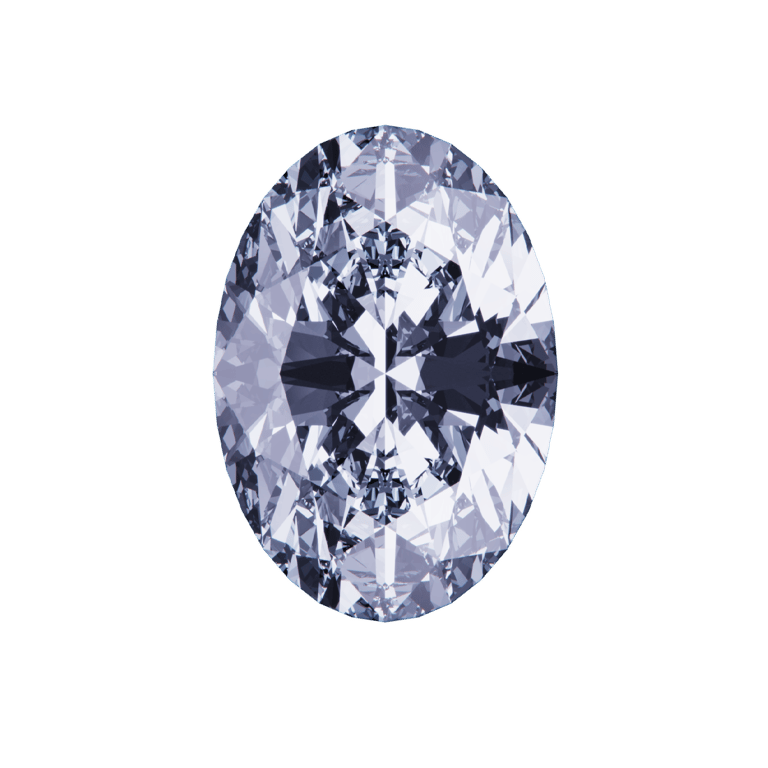
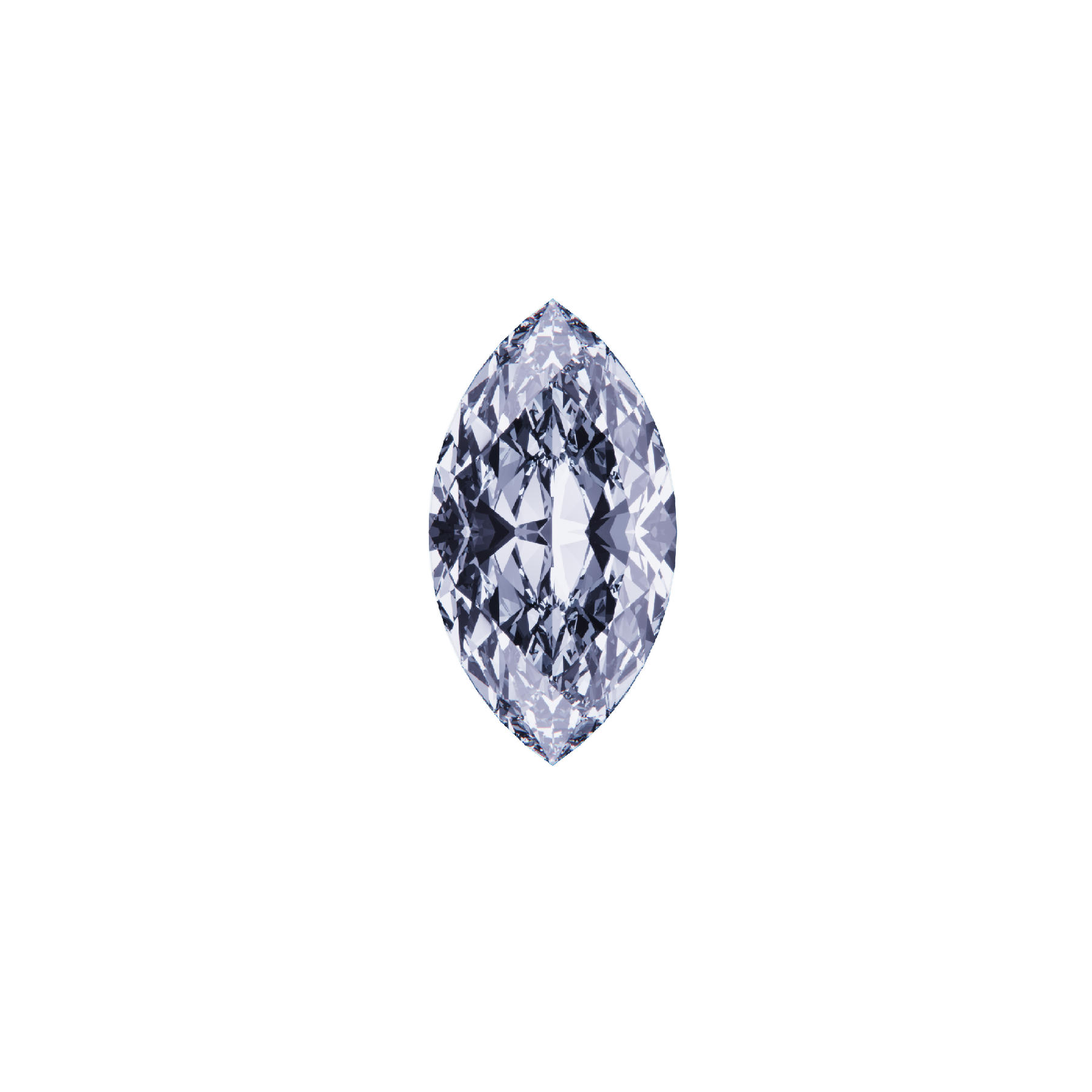
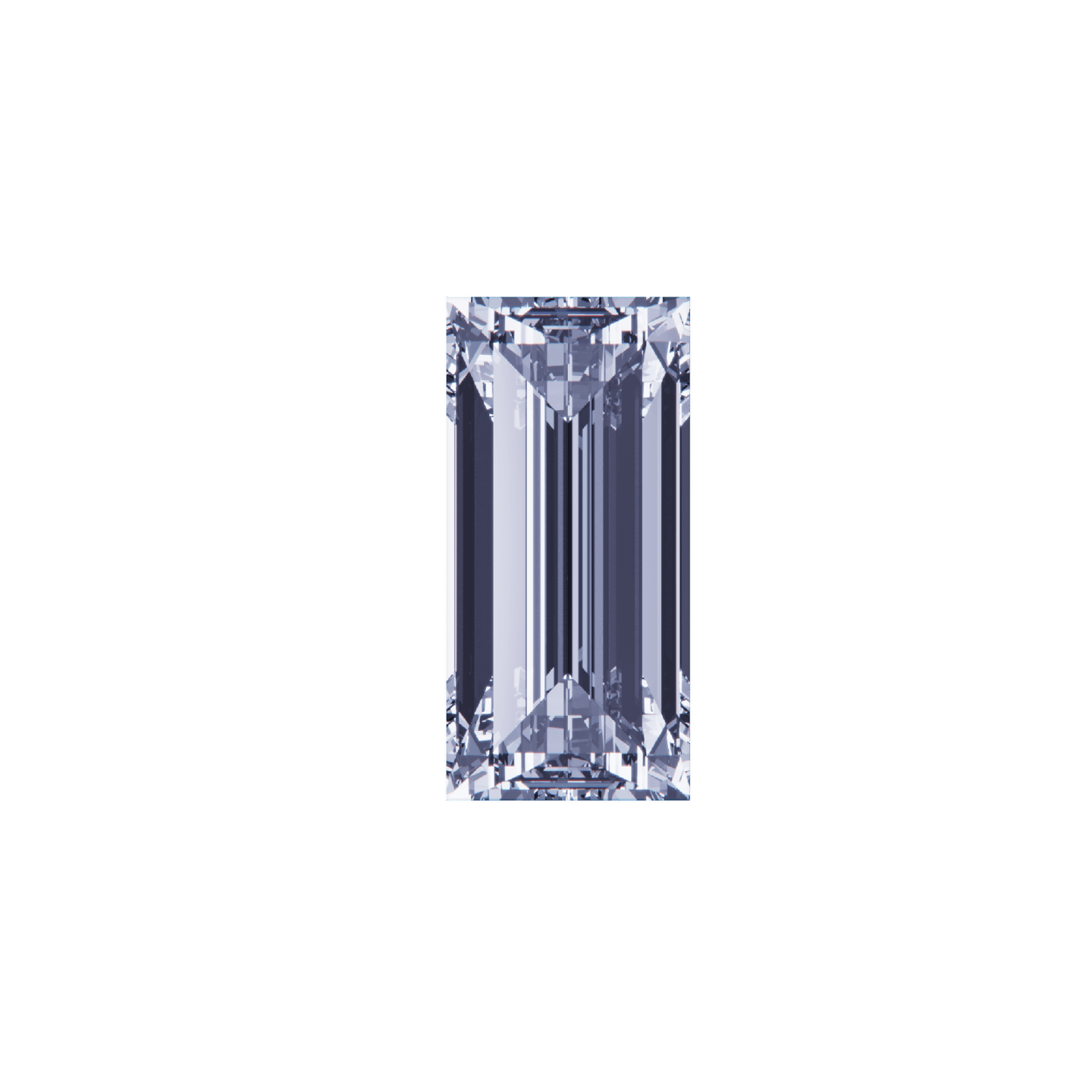
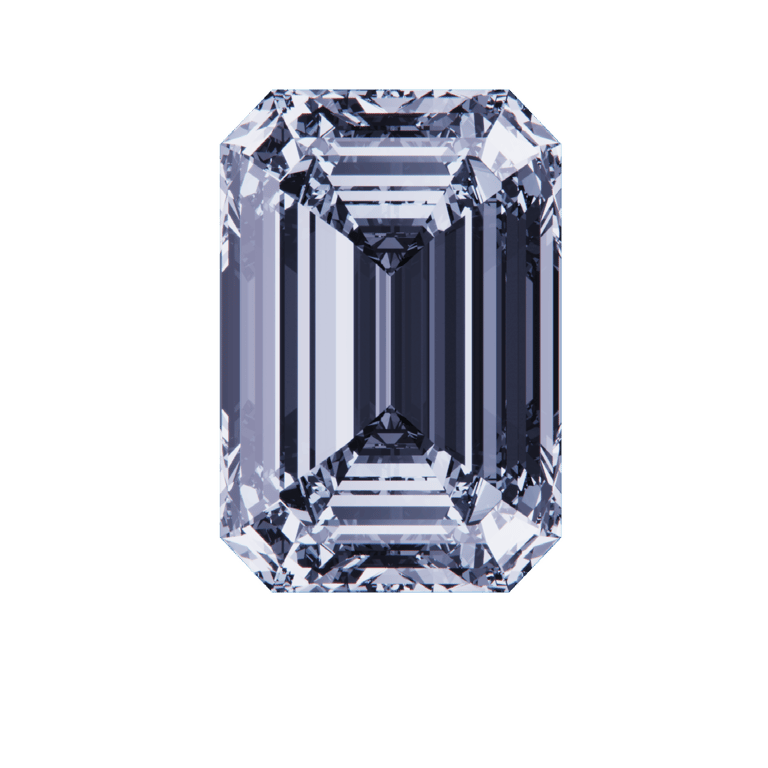
From timeless classics to distinctive contours, diamond shapes allow you to express your personal style before you even choose the setting. Make sure the ring style you choose fits the center stone shape. For instance, a ring designed to fit an Oval should not be used to set a Princess cut.
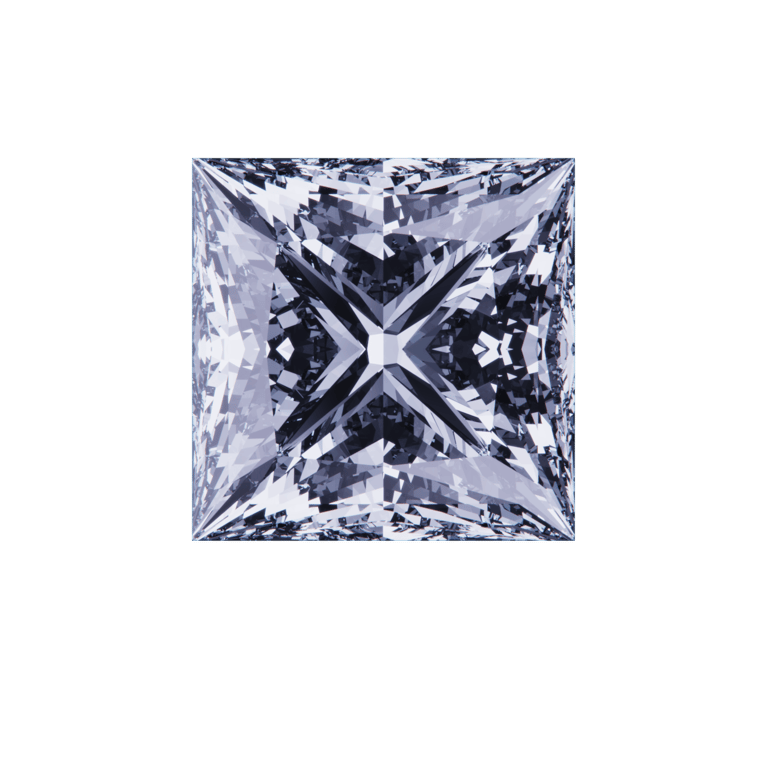



Princess Cut
Oval
Marquis


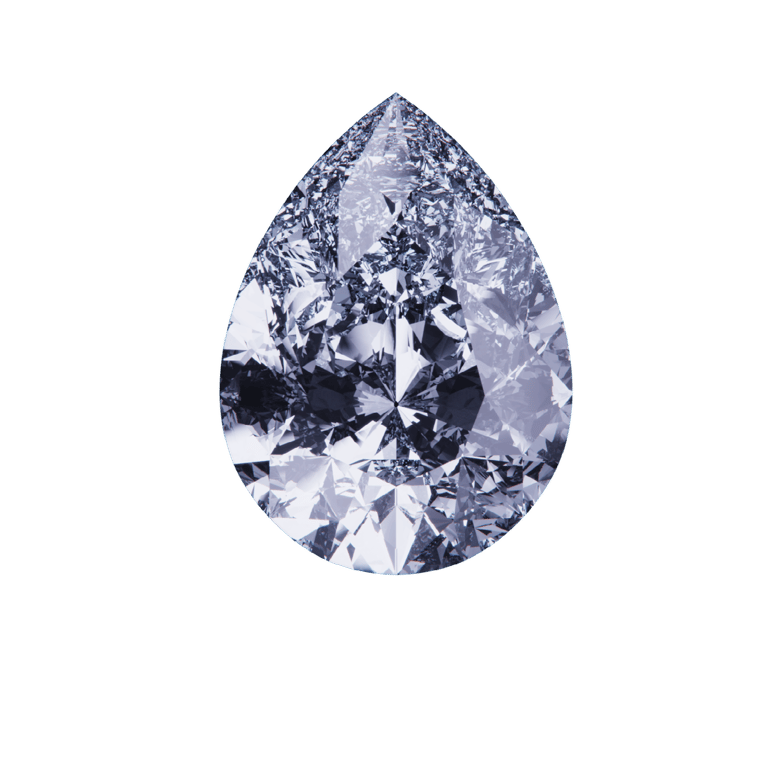

Pear Shaped
Emerald Cut
Baguette


Cushion Cut
Trillion
Half Moon
Heart Shaped
© 2026 Jewelry Wisdom. All Rights Reserved.

Understand jewelry. Shop smarter. Choose with confidence.