
Gold
Settings
The metal securing stones needs to be strong enough to keep them safe, yet designed to display the stones well.
Milgrain refers to decorative tiny bumps on the metal, typical in vintage designs. These are not prongs, since they lend no support to the stones.
Rings with cast-in settings, which means that the center head was formed from the molten gold at the same time as the rest of the ring was poured into a mold. This limits your choice of center stone shapes and sizes. They can’t be stretched or altered to accommodate stones they weren’t designed for. So, please, don’t ask for a square diamond to go into a round head….just don’t.
Rings with a peg hole bridge made to fit a variety of heads to be attached allow more flexibility since you can choose the head that fits your diamond (or other gem center). It’s important to consider whether that head will fit your ring design too.
For instance, a ring with a cathedral will only allow a head up to a certain width. Diamonds can be set in harder heads than gemstones. Softer stones like emerald or aquamarine need gentler heads like baskets with thinner prongs.
Gold comes in yellow, white, and rose. Gold purity is measured in karats (K), with 24K being pure gold (too soft for jewelry). Common purities for jewelry:
10K: Durable, more affordable.
14K: Balanced purity and strength.
18K: Softer, richer color, but scratches, dents, or bends more easily.
White gold is made using an alloy that makes it whitish but you can still see a yellow hue. So, it is plated with rhodium for a bright finish, which wears off over time. Re-plating helps maintain its appearance and protect sensitive skin, especially if you have a nickel allergy. The oils of your skin and what chemicals you use while wearing white gold will contribute to how fast it fades. Some can get away with re-plating every year or so, and others may need to have it done every few months to keep the bright whiteness. Keep in mind that 18k white gold has more yellow in the alloy and will show through a little quicker. Rose gold however, does not require color maintenance.
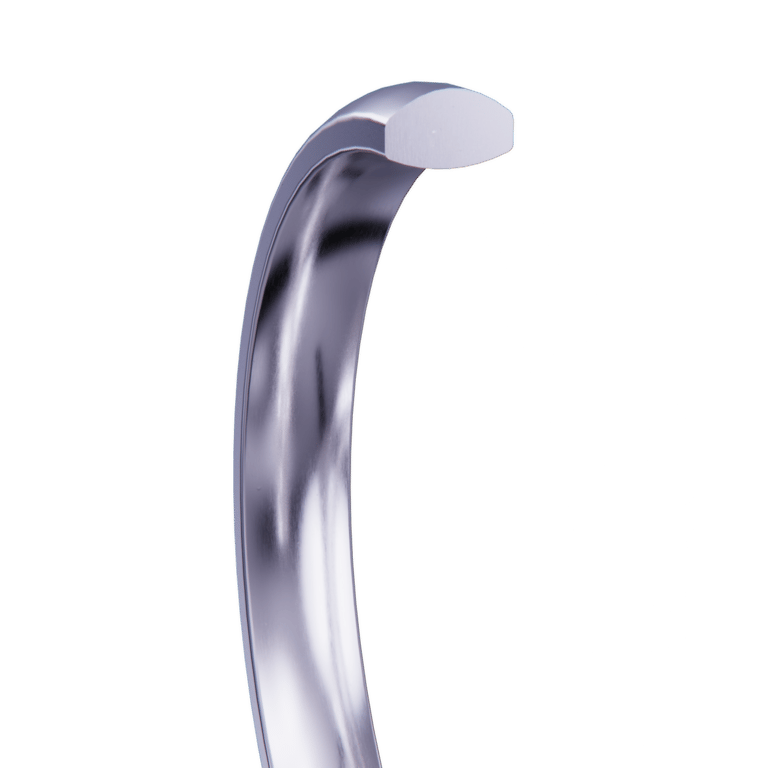
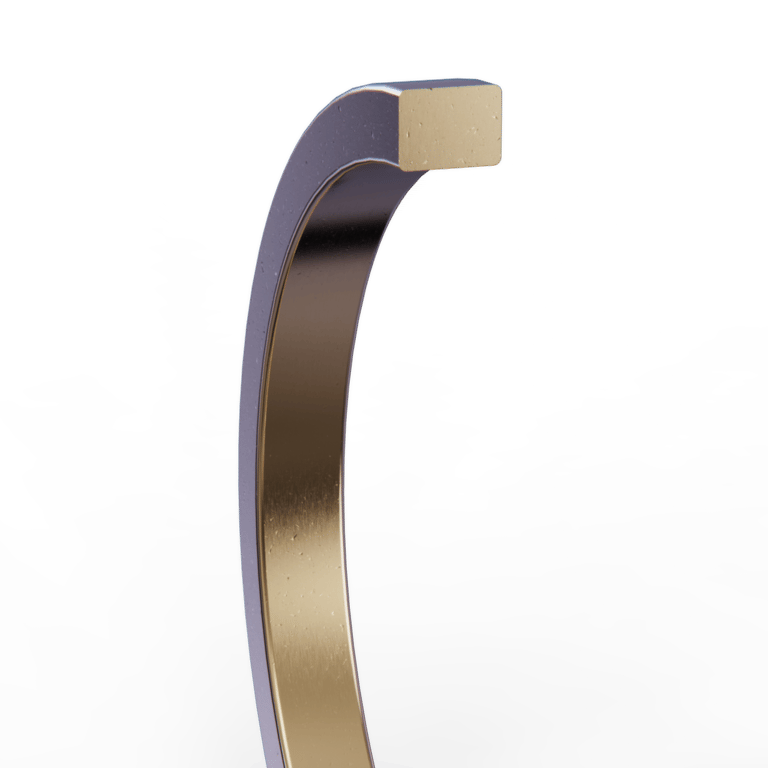



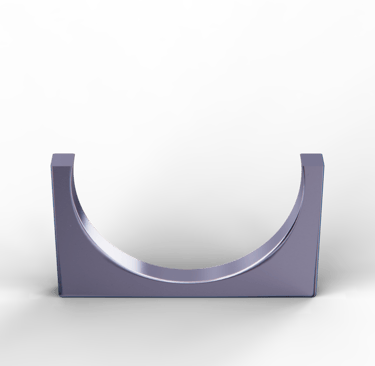
Simple Shank
is a standard rectangular cross-section
Comfort Fit
has rounded edges for easier wear
Euro Shank: Squared bottom corners of the shank that prevent spinning. These edges prevent the ring from spinning on your finger.
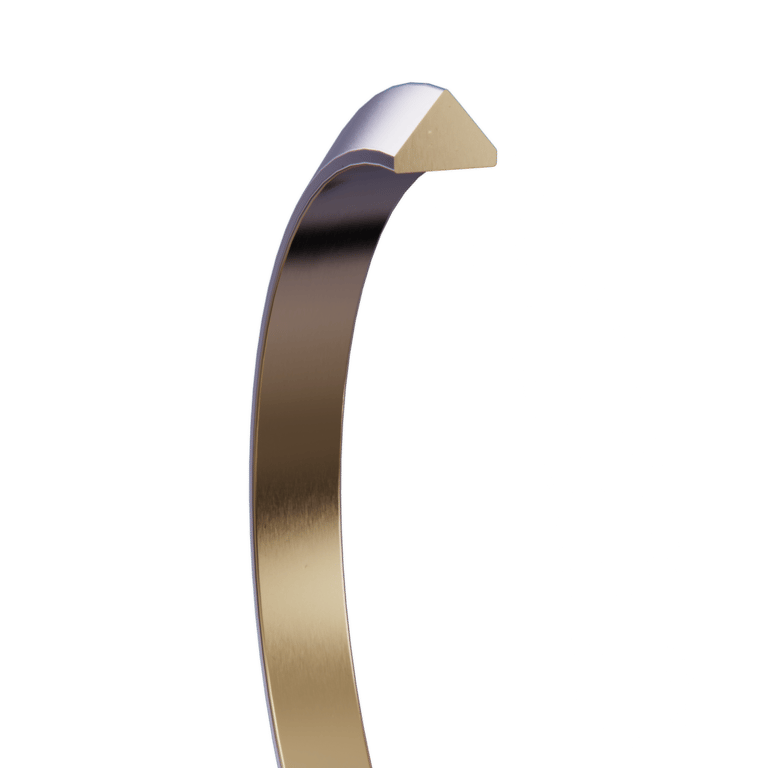
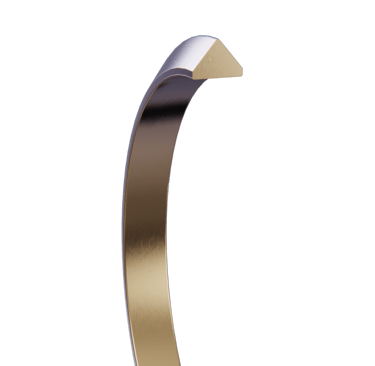
Knife Edge
forms a triangular cross-section
Adding sizing bumps (or Bishop Bumps) inside the shank can also help fit over arthritic fingers and is the cheaper option than the arthritic shank. An arthritic shank is specially modified to open and clasp shut over swollen knuckles.


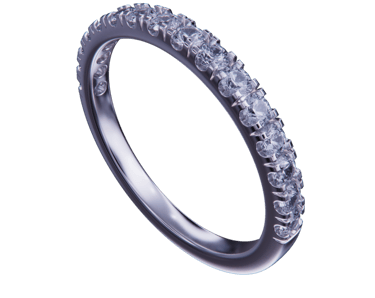
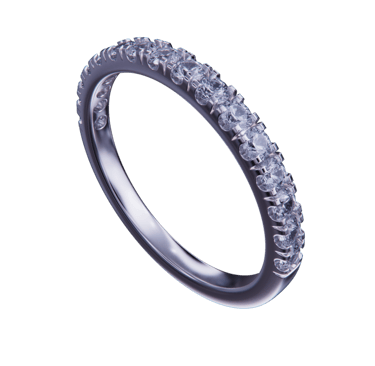
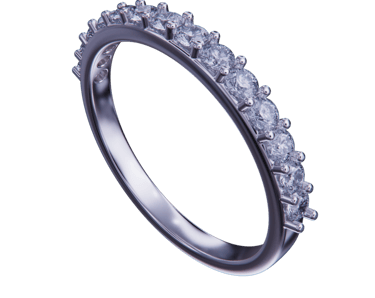
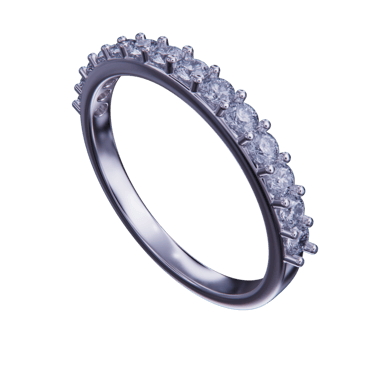
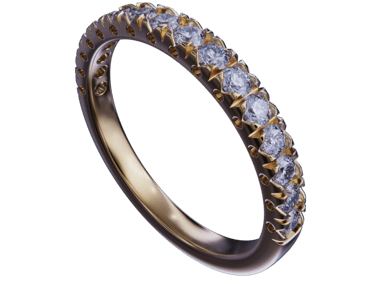
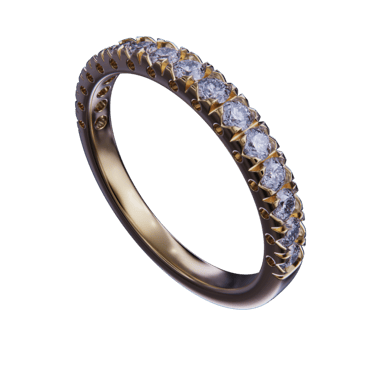
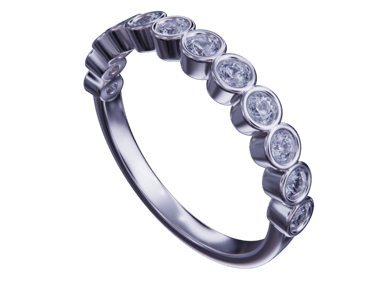
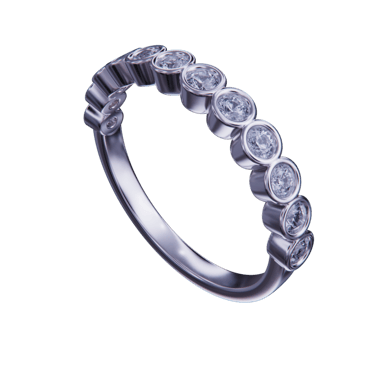
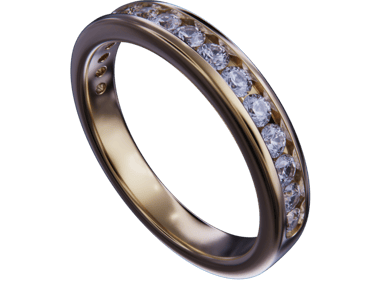
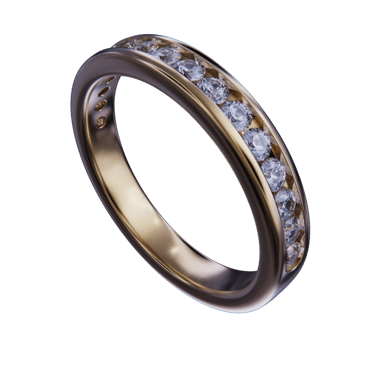
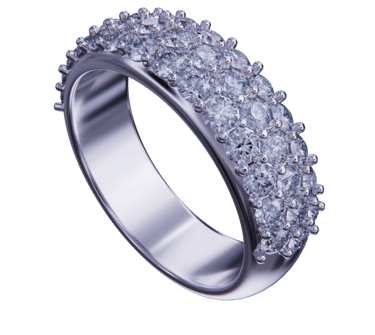
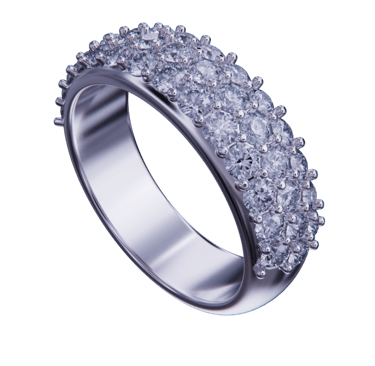
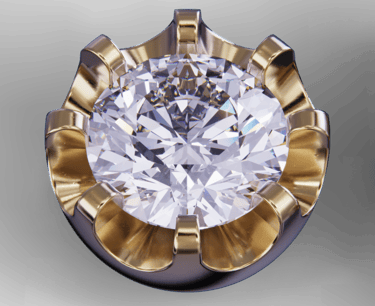
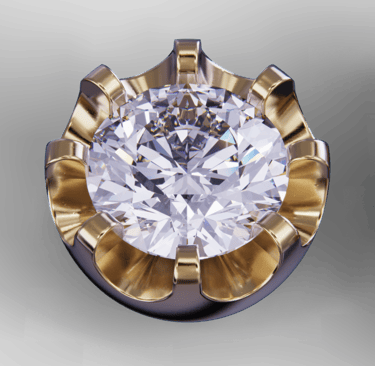
Prongs: Pillars of metal that grip the diamond. Shared prongs secure two stones simultaneously. Double prongs have 4 prongs per stone.
Pavé are diamonds set closely together in rows, creating a “paved” look.
Fishtail allows light underneath melee for added sparkle, as the diamonds are held above the band of gold. The sideview of this setting resembles ...you guessed it, a fishtail.
Bezels encircles the stone with a metal rim, providing stability and a sleek look.
Channel set stones are nestled between two walls of metal, providing security while showing off the girdles between them, allowing light to flow around them.
Illusion uses polished metal cut in angles and encircling the melee, to make small diamonds appear larger when looking at them from a couple feet away.
Sharp-cornered diamonds should ideally be protected with V-prongs or bar settings to prevent chipping.
Split Prong is cast (formed when the gold is poured into a mold) with a double portioned prong that the jeweler splits when tightening the stones into place.
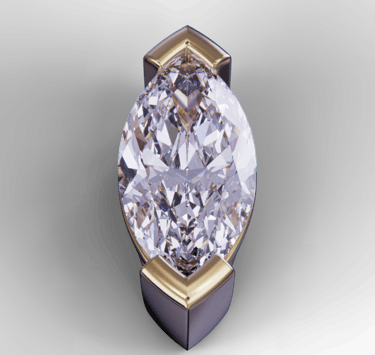
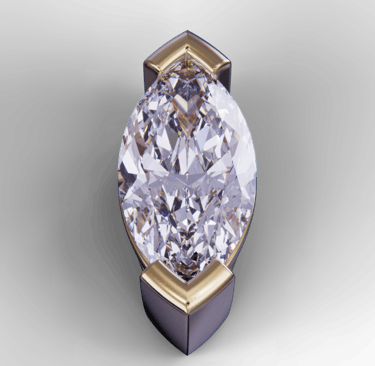
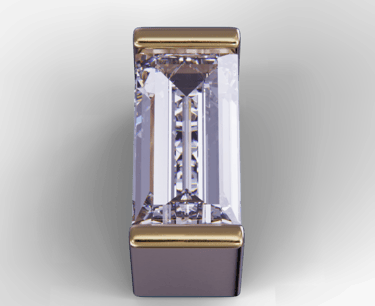
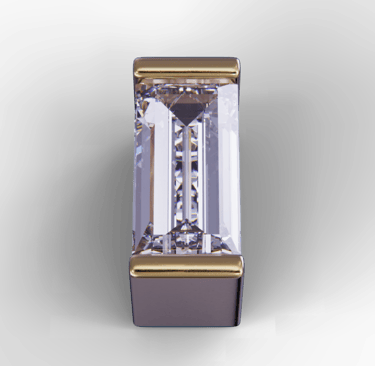
Alternatively, flat edges can be best protected by a bar, like a segment of a channel. This is most commonly used on baguettes.
Shanks
This is the band that encircles your finger.
If you’re custom-designing a ring, Remember:
Gold Types
Contact
Connect
alycia@jewelrywisdom.com
© 2025. All rights reserved.